
Facial trauma requires immediate expert attention to prevent long-lasting complications. Best Facial Trauma Treatment in Dhaka has become increasingly important as road accidents have emerged as a major concern, causing premature deaths and long-term suffering for many individuals. When facial bones are severely injured during these accidents, they can break in multiple areas – from the forehead and eyes to the nose and jaws.
Quick surgical intervention is often crucial when dealing with facial injuries. However, delaying proper treatment can lead to serious complications including osteoporosis, infections, and even brain-related issues. Through experienced dental surgeons and modern technology, specialized clinics in Dhaka aim to deliver the highest standard of oral health care. We’re fortunate to have access to reputable maxillofacial surgeons who specialize in treating oral cancer, dental implants, facial bone trauma/fractures, jaw tumors, and reconstruction.
In this comprehensive guide, we’ll explore everything you need to know about facial trauma treatment in Dhaka – from understanding different types of injuries to choosing the right specialist for your specific condition.
Key Takeaways
Understanding facial trauma treatment options in Dhaka can help you make informed decisions during medical emergencies and ensure optimal recovery outcomes.
• Seek immediate medical attention for facial injuries showing severe pain, visible deformities, difficulty moving jaw, or vision problems to prevent long-term complications.
• Road accidents cause 80% of facial trauma in Dhaka, with young males (21-30 years) at highest risk – emphasizing the need for safety awareness.
• Modern 3D imaging and digital planning now available in Dhaka enable precise surgical interventions and better treatment outcomes for complex facial injuries.
• Choose experienced, board-certified maxillofacial surgeons who can explain procedures clearly and have extensive experience with your specific type of injury.
• Recovery involves both physical and psychological healing – facial trauma affects daily functions like eating and speaking while potentially causing PTSD in 37% of patients.
The key to successful facial trauma treatment lies in quick action, proper specialist selection, and comprehensive care that addresses both functional restoration and emotional well-being throughout the recovery process.
Understanding Facial Trauma and Its Causes
Facial trauma represents a significant health concern in Bangladesh, primarily affecting the face – our most exposed body part. In Dhaka, understanding the causes and impacts of these injuries is crucial for proper treatment and prevention.
Common causes of facial injuries in Dhaka
Road traffic accidents (RTAs) stand as the predominant cause of facial trauma in Dhaka, accounting for approximately 80.85% of all cases. This aligns with trends in most developing nations, whereas interpersonal violence tends to be the leading cause in developed countries. The second most common cause is physical assault (8.51%), followed closely by accidental falls (8.21%) and sports-related injuries (2.43%).
Young adults between 21-30 years face the highest risk, with males significantly outnumbering females at a ratio of nearly 5:1. This gender disparity exists largely because men in Bangladesh are more frequently involved in outdoor activities, driving, and potentially violent interactions. Among motorcycle accidents specifically, 76.7% of riders were wearing helmets at the time of injury, with non-helmeted subjects sustaining significantly more severe injuries.
How facial trauma affects daily life
Facial injuries create both physical limitations and psychological distress. Approximately one-third of facial trauma patients report limitations in basic daily functions like speaking, eating, and facial expressions. Beyond these physical challenges, the psychological impact can be profound.
The face is central to our identity and social interactions. Consequently, facial disfigurement often leads to:
- Changed self-image and identity issues
- Social anxiety and isolation
- Functional concerns affecting communication
Furthermore, 37% of patients screen positive for Post-Traumatic Stress Disorder (PTSD) one month after injury. If left untreated, these psychological impacts can lead to self-harm, impaired relationships, workplace challenges, and substance abuse.
When to seek emergency facial surgery
Immediate medical attention is essential if you experience any of these symptoms after facial injury:
- Severe pain, swelling, or bleeding that won’t stop
- Visible deformities in the jaw or face
- Difficulty opening, closing, or moving the jaw
- Loose or knocked-out teeth
- Clear fluid discharge from the nose (possible cerebrospinal fluid leak)
- Vision problems, including blurred or double vision
For knocked-out teeth specifically, quick action within the first hour dramatically increases successful reimplantation. Gently rinse the tooth without scrubbing the root and store it in milk or saline solution until reaching a dental specialist.
Types of Facial Injuries Treated by Maxillofacial Surgeons
Maxillofacial surgeons handle diverse facial injuries, combining dental expertise with surgical skills to restore both function and esthetics. Let’s explore the main categories of facial injuries requiring specialized care.
Fractures of the jaw, cheekbone, and nose
Facial fractures affect multiple bones, with jaw fractures being particularly common. A broken lower jaw (mandible) typically causes pain, swelling, and prevents full mouth opening. Upper jaw (maxilla) fractures often result from high-impact collisions. Additionally, cheekbone fractures can limit jaw movement and change bite alignment.
Treatment approaches vary based on severity. While mild fractures may require only a liquid diet, more severe cases need surgical intervention with metal plates or wires to stabilize the broken bones. Prompt treatment reduces long-term complications.
Soft tissue injuries and lacerations
Facial soft tissue injuries account for approximately 50% of wounds treated in emergency departments. These injuries range from simple cuts to complex wounds involving underlying structures.
Treatment begins with thorough cleaning, irrigation, and debridement of damaged tissue. For optimal results, facial lacerations should undergo primary closure within 8 hours of injury. Proper wound assessment ensures appropriate repair techniques are used.
Dental trauma and tooth displacement
Tooth luxation (displacement) occurs when supporting tissues are damaged. The five types, in ascending order of severity, include concussion, subluxation, extrusive luxation, lateral luxation, and intrusive luxation.
Treatment aims to stabilize the affected tooth and maintain pulp health. Depending on severity, dentists may reposition the tooth, splint teeth together for stability, or perform root canal procedures.
TMJ disorders and jaw dislocation
Jaw dislocation happens when the lower jawbone pulls away from temporomandibular joints (TMJ), creating a medical emergency. Common symptoms include inability to close the mouth and pain.
Treatment typically involves manual reduction—gently moving the jawbone back into place under sedation. Recovery usually takes about six weeks with restricted diet and jaw movement.
Cleft lip and palate complications
Despite surgical repairs, cleft lip and palate patients may experience complications including:
- Feeding difficulties, especially with palate abnormalities
- Recurrent ear infections leading to potential hearing loss
- Speech delays due to decreased muscle function
- Dental development issues requiring orthodontic intervention
Regular screening and lifelong monitoring are often necessary for managing these conditions.
Best Facial Trauma Treatment in Dhaka
Modern Treatment Options for Facial Trauma in Dhaka
The landscape of facial trauma treatment in Dhaka has evolved remarkably over recent years, with specialized facilities offering world-class care for patients with complex facial injuries.
Surgical vs. non-surgical approaches
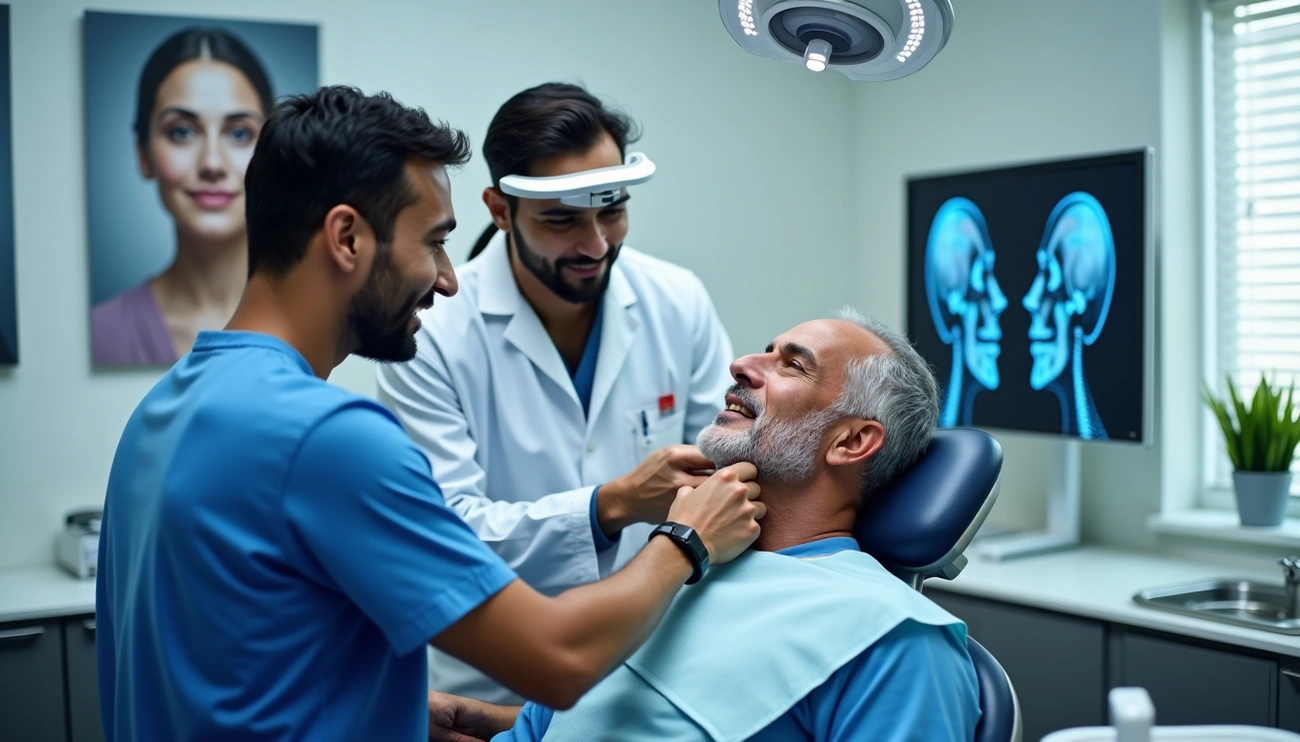
Dhaka’s maxillofacial specialists carefully evaluate each case based on injury severity. Surgical intervention becomes necessary for broken bones that need repositioning and securing with plates and screws. Alternatively, non-surgical treatments like splinting and stabilization work effectively for simple fractures and soft tissue injuries. The decision between approaches depends on injury nature, recovery timeline preferences, and the patient’s lifestyle.
Use of 3D imaging and digital planning
Advancements in 3D technology have transformed facial trauma care in Dhaka. Surgeons now utilize DICOM segmentation, volumetric evaluation, and implant design prior to surgery. Moreover, these technologies enable virtual surgical planning with digitized fracture reduction and positioning. Additionally, surface scanners compute spatial coordinates to create 3D digital models, solving limitations of traditional radiological studies.
Reconstructive and cosmetic procedures
Surgical options range from facelifts addressing sagging skin to rhinoplasty for reshaping the nose. For complex cases, microvascular free tissue transfer may be necessary—taking skin, bone or muscle from elsewhere in the body to reconstruct facial features. Alternatively, patient-specific implants can help restore facial symmetry.
Post-surgery recovery and rehabilitation
Post-operative care typically involves neuromuscular reeducation with surface electromyographic biofeedback. Subsequently, rehabilitation exercises prevent stiffness while promoting flexibility. Throughout recovery, continuous monitoring through regular check-ups allows healthcare providers to track progress and address complications promptly.
How to Choose the Right Facial Trauma Specialist in Dhaka
Selecting the ideal specialist for facial trauma treatment requires careful consideration. Finding an experienced maxillofacial surgeon in Dhaka can make all the difference between complete recovery and lasting complications.
What makes a good oral and maxillofacial surgeon
The best maxillofacial surgeons possess a combination of academic excellence and practical skills. Look for specialists with recognized qualifications from reputable educational institutions. Beyond technical expertise, excellent surgeons demonstrate outstanding personal qualities including hand-eye coordination, physical stamina, and three-dimensional evaluation abilities. Above all, they should communicate effectively with patients while explaining treatment options clearly.
Questions to ask during consultation
Before committing to any treatment, consider asking:
- “Are you certified by the Bangladesh Dental Council?”
- “How long have you been practicing maxillofacial surgery?”
- “How often do you perform this specific procedure?”
- “What are the risks associated with my treatment?”
- “What will recovery involve and how long will it take?”
Top-rated clinics and hospitals in Dhaka
Evercare Hospital Dhaka offers comprehensive maxillofacial services through experienced consultants who carefully evaluate each patient. Likewise, Bangladesh Specialized Hospital provides individualized care with expertise in treating complex conditions.
Why experience and specialization matter
Essentially, maxillofacial surgeries require precise techniques and deep knowledge. Surgeons with extensive successful procedure history typically provide safer treatment options. For complex reconstructive procedures, specialized training becomes even more crucial to achieve optimal functional and esthetic outcomes.
How Can I Find the Best Facial Trauma Treatment in Dhaka?
Finding the Best Facial Trauma Treatment in Dhaka starts with choosing the right specialist. Facial trauma involves more than broken bones. It affects breathing, speech, appearance, and confidence. You need a surgeon with advanced training, calm judgment, and hands-on experience in emergency facial care.
Look for an oral and maxillofacial surgeon who treats facial fractures, jaw injuries, soft tissue trauma, and post-accident reconstruction regularly. Hospital setup matters. Proper imaging like CT scan or CBCT, sterile operating theaters, and trained anesthesia support improve safety and outcomes.
In Dhaka, patients often trust surgeons who manage complex trauma cases from road accidents, sports injuries, and workplace injuries. One such trusted name is Dr. Sajid Hasan. He is known for his structured treatment planning, clear communication, and careful post-operative follow-up. His background in maxillofacial surgery and microvascular techniques helps restore both function and facial balance.
Patient feedback also guides good decisions. Consistent recovery results, ethical advice, and long-term care build confidence. When facial injury affects your life, expert care makes recovery safer, faster, and more predictable.
Who Is the Top-Rated Best Facial Trauma Treatment in Dhaka?
Patients searching for the Best Facial Trauma Treatment in Dhaka usually want one thing first. Safety. Facial trauma affects the jaw, face shape, teeth, and even breathing. Poor treatment can cause lifelong problems. The right surgeon restores function, balance, and confidence.
In Dhaka, many patients and referring doctors trust Dr. Sajid Hasan for facial trauma care. He manages injuries from road accidents, falls, sports trauma, and workplace incidents. His approach focuses on accurate diagnosis, careful planning, and stable reconstruction. Advanced imaging like CT scan and CBCT supports precise treatment decisions.
Dr. Sajid Hasan handles facial fractures, jaw injuries, soft tissue trauma, and complex reconstruction with a calm and structured method. Patients often mention clear explanations, honest advice, and strong follow-up care. These factors matter during stressful injury recovery.
Medical experts agree that early specialist care improves outcomes. The American Association of Oral and Maxillofacial Surgeons states that timely intervention reduces complications and long-term deformity. For patients seeking reliable facial trauma treatment in Dhaka, experience, trust, and consistent results make the real difference.
Affordable Best Facial Trauma Treatment in Dhaka
Finding reliable and affordable facial trauma treatment in Dhaka is crucial after an injury. Dr. Sajid Hasan, a leading oral and maxillofacial surgeon, offers top-tier care for facial trauma with precision and safety. Combining years of expertise in microvascular surgery and dental implantology, he treats complex fractures, soft tissue injuries, and post-accident facial reconstruction effectively.
Patients seeking the best facial trauma treatment in Dhaka benefit from personalized care that considers underlying health conditions like diabetes, heart disease, and kidney issues. Dr. Hasan uses advanced surgical techniques to ensure faster recovery, minimal complications, and natural facial appearance restoration.
Affordability does not compromise quality. His clinic offers cost-effective solutions for facial trauma treatment in Dhaka, making high-standard care accessible to everyone. Whether it’s severe jaw fractures, orbital injuries, or post-traumatic reconstruction, Dr. Sajid Hasan provides accurate diagnosis, meticulous planning, and successful surgical outcomes.
Choosing the top-rated facial trauma specialist in Dhaka ensures you receive expert guidance, compassionate treatment, and long-term results. For anyone searching for safe, effective, and affordable facial trauma treatment in Dhaka, Dr. Sajid Hasan remains the trusted choice for comprehensive care.
Benefits of Choosing the Best Facial Trauma Treatment in Dhaka
Opting for the best facial trauma treatment in Dhaka ensures expert care and faster recovery. Here are key benefits:
-
Expert Diagnosis and Treatment: Top specialists like Dr. Sajid Hasan provide accurate evaluation of fractures, soft tissue injuries, and facial reconstruction needs.
-
Advanced Surgical Techniques: Access to modern procedures such as microvascular surgery and dental implantology ensures precise and effective treatment.
-
Personalized Care: Treatment plans are tailored to your condition, considering medical co-morbidities like heart disease, diabetes, or kidney complications.
-
Faster Recovery: Skilled surgeons minimize complications and ensure natural facial restoration, allowing quicker return to daily life.
-
Cost-Effective Solutions: Affordable treatment options make high-quality care accessible without compromising outcomes.
-
Trusted Expertise: Choosing a top-rated facial trauma specialist in Dhaka guarantees professional, reliable, and compassionate care throughout the treatment process.
Selecting the best facial trauma treatment ensures safety, efficiency, and long-term results, giving patients confidence and peace of mind.
Conclusion and Final Thoughts on the Best Facial Trauma Treatment in Dhaka
Facial trauma treatment in Dhaka has advanced significantly, offering patients access to comprehensive care that addresses both physical and psychological aspects of recovery. Certainly, the prevalence of road accidents as the primary cause of facial injuries highlights the need for greater awareness and preventive measures throughout the city. Meanwhile, the disproportionate impact on young adult males calls for targeted education campaigns about safety precautions.
Prompt medical attention remains crucial after any facial injury. Therefore, recognizing warning signs like severe pain, visible deformities, or difficulty moving the jaw can make the difference between complete recovery and lasting complications. Additionally, understanding that facial trauma extends beyond physical appearance—affecting basic functions like eating and speaking—emphasizes why specialized care matters so much.
The evolution of treatment options now available in Dhaka gives patients more choices than ever before. From non-surgical approaches for minor injuries to complex reconstructive procedures utilizing 3D imaging technology, specialists can tailor treatment plans to individual needs. Nevertheless, the quality of care depends largely on choosing the right surgeon with appropriate qualifications and experience.
While facial injuries can be traumatic and life-altering, qualified maxillofacial surgeons in Dhaka stand ready to help patients reclaim both function and confidence. Most importantly, proper treatment not only restores physical appearance but also addresses the psychological impact of facial trauma, helping patients return to normal social interactions and daily activities.
Finding the right specialist might seem overwhelming, but asking the right questions during consultation will guide you toward making an informed decision. After all, your face represents your identity to the world—entrusting its care to experienced professionals ensures the best possible outcome during what can be a challenging recovery journey.
FAQs
Q1. How long does it typically take to recover from facial trauma?
Recovery time varies depending on the severity of the injury and the treatment required. Minor lacerations may heal within days to weeks, while fractures can take several weeks or even months to fully heal. Your surgeon will provide a more specific timeline based on your individual case.
Q2. What are the immediate steps to take after experiencing facial trauma?
Seek emergency medical attention if you experience severe pain, swelling, bleeding, visible deformities, difficulty moving your jaw, or vision problems. For knocked-out teeth, gently rinse without scrubbing and store in milk or saline solution while seeking urgent dental care.
Q3. Who are the best specialists to consult for facial trauma treatment in Dhaka?
Look for board-certified oral and maxillofacial surgeons with extensive experience in treating facial injuries. Top-rated clinics like Evercare Hospital Dhaka and Bangladesh Specialized Hospital offer comprehensive maxillofacial services with experienced consultants.
Q4. What modern treatment options are available for facial trauma in Dhaka?
Dhaka now offers advanced treatments including 3D imaging and digital planning for precise surgical interventions. Options range from non-surgical approaches for minor injuries to complex reconstructive procedures, depending on the nature and severity of the trauma.
Q5. How does facial trauma impact daily life and mental health?
Facial injuries can affect basic functions like speaking, eating, and facial expressions. Additionally, about one-third of patients report limitations in daily activities, and 37% may experience symptoms of Post-Traumatic Stress Disorder (PTSD) one month after injury. Comprehensive care addresses both physical and psychological aspects of recovery.